Biochemical analyzers
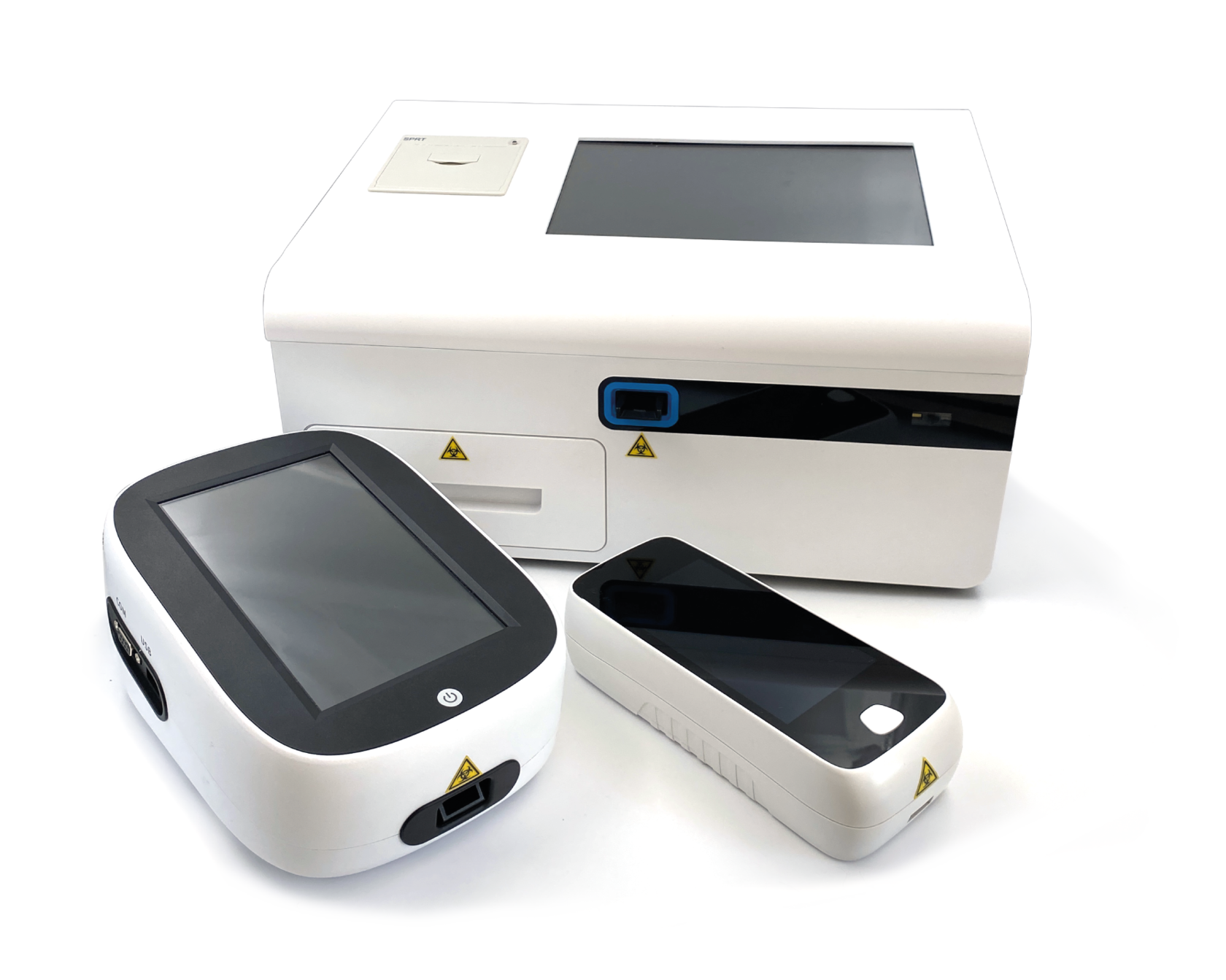
High-precision laboratory device for determining the parameters of blood, plasma, urine and other biological materials. Allows you to detect the presence and concentration of electrolytes, enzymes, lipids, and other medical indicators.
There are two types of laboratory equipment - automatic and semi-automatic analyzers. In semi-automatic devices, the entire preparatory stage is performed manually. Automatic devices perform a whole range of operations: selection of biomaterials and reagents, their mixing, incubation, all necessary measurements, processing and printing of analysis results.
Enzyme immunoassay analyzer (ELISA) is a modern automatic or semi-automatic parting device for carrying out immunochemical analysis with high speed and accuracy. The devices are designed for express analyzes in medical institutions and laboratories of various sizes, as well as in veterinary medicine.
Semi-automatic - devices that perform the analysis of materials, but at the same time require the participation of a specialist for preparation of preparations, mixing, washing, etc.
Automatic enzyme immunoassay analyzers require minimal involvement of a specialist; they automatically perform incubation, dilution and distribution of samples, addition of reagents, and analysis. This type of device is more attractive, because. allows you to significantly increase the efficiency of the laboratory.
Urine analyzers
A urine analyzer is a device that allows you to assess the functional state of the urinary tract and kidneys. The study of urine is carried out by a semi-quantitative method using diagnostic test strips, ensuring high quality and standardization of the results obtained.
PCR (Polymerase chain reaction )
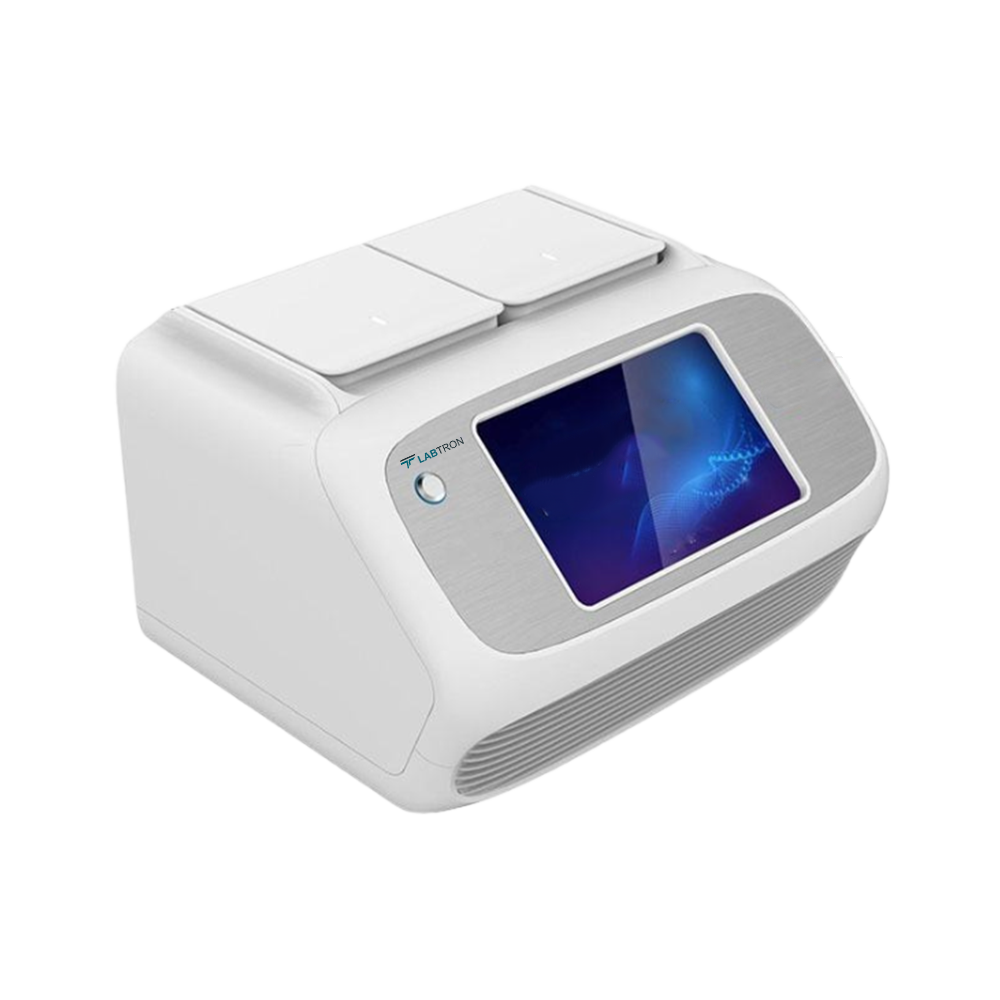
Polymerase chain reaction (PCR) is an experimental method of molecular biology, a method for significantly increasing low concentrations of certain nucleic acid (DNA) fragments in a biological material (sample).
PCR allows diagnosing the presence of long-growing pathogens without resorting to time-consuming microbiological methods, which is especially important in gynecology and urology in the diagnosis of urogenital sexually transmitted infections.
Also, this method is used to diagnose viral infections, such as hepatitis, HIV, etc. The sensitivity of the method significantly exceeds that of immunochemical and microbiological methods, and the principle of the method allows diagnosing the presence of infections with significant antigenic variability.
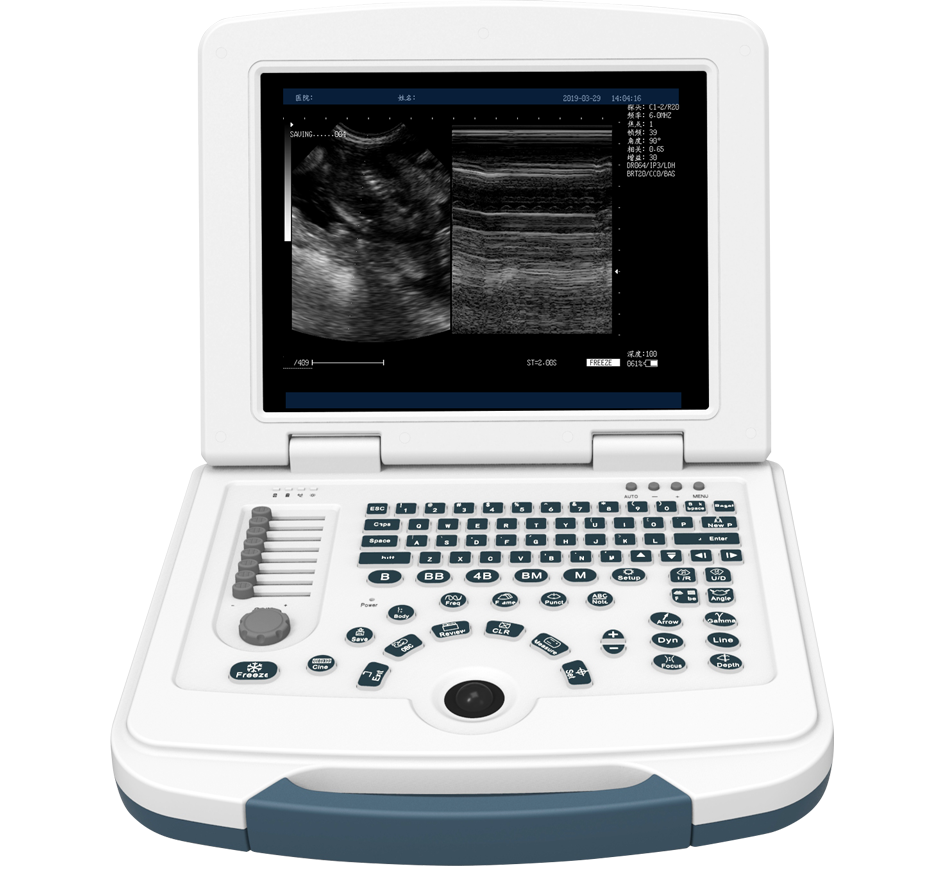
Sonography is a diagnostic medical procedure that uses high-frequency sound waves (ultrasound) to produce dynamic visual images of organs, tissues or blood flow inside the body. This type of procedure is often referred to as a sonogram or ultrasound exam.